Best canton top Synthetic Turf Installation
Best canton top Synthetic Turf Installation
Blog Article
Fake Grass Installation: The Nature-Friendly Resolution for Your Lawn
Artificial turf installation constitutes a viable alternative for residents looking for a eco-conscious lawn solution. Its toughness and low maintenance requirements deliver major advantages over standard grass. As water savings grows progressively important, artificial turf acts as an effective remedy to environmental concerns. Nevertheless, the determination to place artificial grass encompasses numerous considerations that justify comprehensive examination. Which aspects must property owners assess before undertaking the shift to this green option?
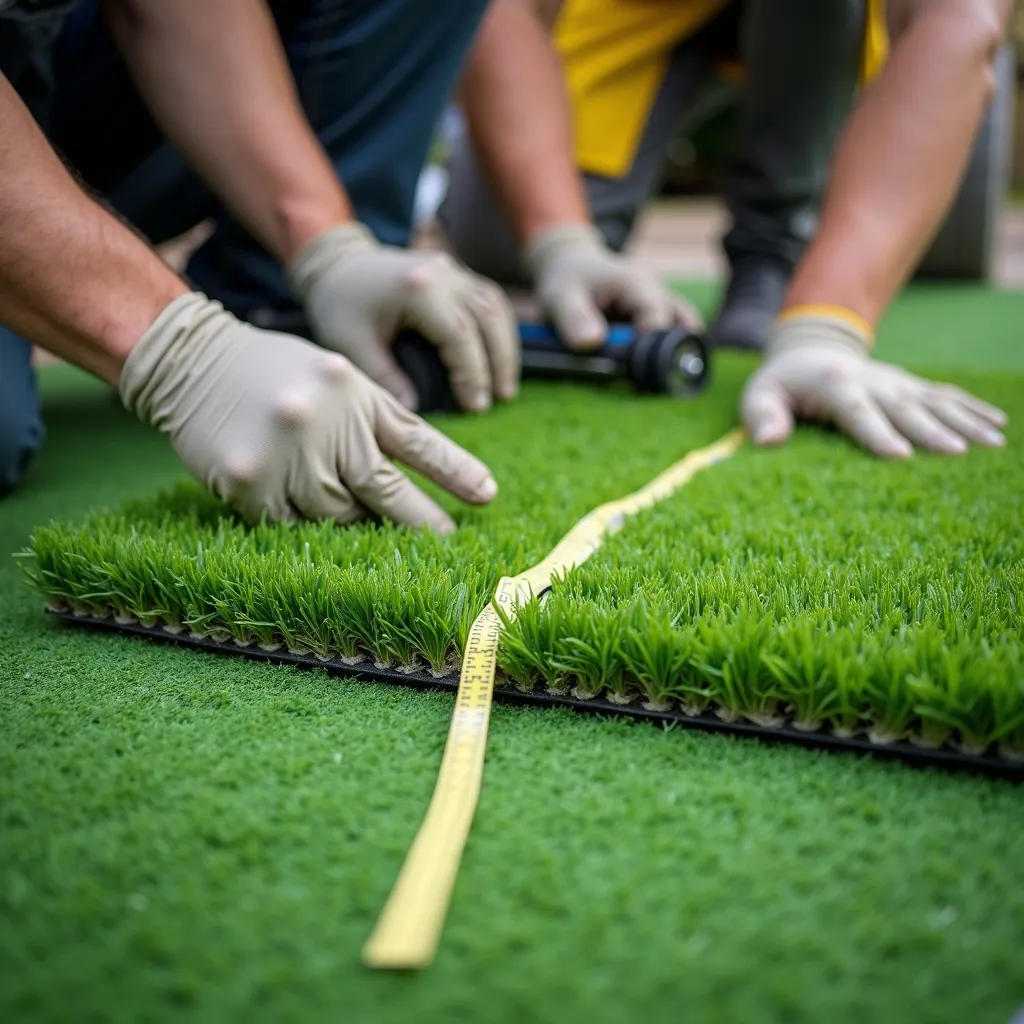
Understanding Synthetic Turf: Essential Features and Benefits
Synthetic turf has grown into a favored substitute to natural grass, offering substantial advantages for assorted applications. One of its key features is wear-resistance; synthetic grass can withstand heavy foot traffic and extreme weather conditions without deteriorating. This resilience makes it an ideal choice for sports fields, playgrounds, and residential lawns.
Furthermore, artificial grass requires reduced upkeep in comparison to natural grass. There is no requirement for trimming, watering, or applying fertilizer, producing significant time and cost economies for homeowners and facility managers alike.
Moreover, synthetic turf is eco-friendly, as it saves water and eliminates the need for harmful pesticides and fertilizers.
With improvements in technology, modern synthetic turf mimics the appearance and feel of natural grass, offering aesthetic appeal without the drawbacks. These features collectively make synthetic turf a viable and attractive option for a wide range of uses.
Placing Synthetic Turf: A Sequential Guide
When assessing the perks of synthetic turf, the next logical step is understanding the installation process.
The opening phase involves site readiness, which includes removing the area of existing grass, weeds, and debris. Next, a base layer of crushed stone or aggregate is laid to guarantee proper water flow and stability. Following this, a protective fabric is applied to inhibit unwanted vegetation.
After preparing the base, the synthetic turf rolls are unrolled and positioned, allowing for proper alignment. The edges are anchored with stakes or adhesive, assuring a seamless appearance.
Once installed, a layer of infill substance, such as rubber or sand, is spread uniformly to provide stability and weight. Finally, the turf is raked to lift the strands and create a natural look.
Implementing these steps delivers a durable, low-maintenance lawn that strengthens both beauty and utility.
Why Select Synthetic Turf? Environmental and Functional Advantages?
Picking synthetic turf provides numerous environmental and practical benefits that render it an attractive option for many homeowners and businesses. One significant benefit is conserving water; synthetic grass removes the need for regular watering, which is especially beneficial in arid regions.
Moreover, it lowers the reliance on harmful pesticides and fertilizers, fostering a healthier ecosystem.
From a applicable standpoint, man-made grass involves minimal attention, saving labor and finances on lawn care. It remains green and lush throughout the year, ensuring a stable visual beauty without periodic shifts.
Moreover, synthetic turf is long-lasting, able to withstand heavy foot traffic and various weather conditions, making it perfect for both residential and commercial applications.
These attributes not only boost the practicality of external environments but also promote long-term sustainability, making synthetic turf a convincing selection for green-minded purchasers.
Essential Considerations for Synthetic Turf Installation
Several considerations must be evaluated before commencing synthetic turf installation. First, it is critical to assess the planned purpose of the area. Various kinds of synthetic turf are engineered for specific activities, such as sports or residential grounds design.
Second, the local climate should be examined; some items may handle heat more successfully than others.
Site readiness is another important aspect, requiring adequate water management and a even foundation to ensure longevity and functionality. Furthermore, possible local regulations or homeowners' association standards may impact installation decisions.
Picking the ideal infill material is vital for durability and comfort, as it influences both the look and feel of the turf.
Lastly, selecting a esteemed specialist can greatly influence the quality and longevity of the installation. By examining these considerations, homeowners can formulate deliberate conclusions that most ideally suit their expectations and enrich their recreational spaces.
Preserving Your Synthetic Turf Lawn in Great Shape
Keeping your synthetic turf lawn in top shape requires a consistent cleaning schedule for ensuring its lasting quality and visual presentation.
Routine upkeep includes tackling any issues and utilizing repair techniques as required.
Adhere to a conventional cleaning regimen
Preserving the look and durability of synthetic turf lawns depends on a regular maintenance plan. Regular maintenance helps prevent debris buildup, minimizes odors, and improves aesthetic appeal.
Homeowners should aim to clear leaves, twigs, and other organic materials at least once a week, especially during fall. Additionally, washing the turf with water each month can help eliminate dust and allergens, guaranteeing a fresh look.
In heavily used spaces, more frequent attention may be essential to sustain the lawn condition. During colder months, winter buildup should be cautiously eliminated to avoid damaging the fibers.
Identifying and Repair Advice
Detecting and resolving issues immediately is important for preserving the integrity of synthetic turf lawns. Routine checks should be carried out to identify signs of deterioration, such as splits, fraying, or uneven surfaces.
If a problem important guide is identified, immediate action is vital. Minor tears can be repaired with carefully designed adhesive or turf tape, assuring a secure bond without compromising appearance. For larger issues, professionals may be required to replace sections of turf.
Additionally, safeguarding the base material intact is necessary; any shifting can cause further complications. Consistent brushing helps preserve an even appearance and can also identify dormant defects.
Price Analysis: Synthetic Turf vs. Natural Grass
When evaluating the expenses of artificial grass to natural grass, initial installation expenses are quite important.
Additionally, extended upkeep expenses can significantly impact the overall financial commitment of each option.
A full investigation of these factors offers meaningful insights for potential buyers.
Upfront Installation Expenses
Initial setup expenses are crucial in the selection process for homeowners and municipalities evaluating synthetic turf versus natural grass.
Generally, the upfront costs for synthetic turf can range from $5 to $20 per square foot, based on quality and installation complexity. In contrast, natural grass installation usually costs between $1 to $2 per square foot.
However, the complete investment in natural grass can rise substantially due to soil conditioning, irrigation systems, and ongoing upkeep necessities.
Homeowners and municipalities must weigh these initial costs against the possible future advantages of artificial grass, such as reduced water usage and minimal upkeep needs.
Fundamentally, identifying these costs assists in making deliberate, green landscaping alternatives.
Long-Term Upkeep Expenses
Continuous maintenance expenses substantially determine the overall cost-effectiveness of synthetic turf compared to natural grass.
Natural grass necessitates perpetual costs, incorporating scheduled mowing, nutrient treatment, regular irrigation, and pest and disease prevention, which can mount rapidly over time. Homeowners may expend hundreds to thousands of dollars per annum to maintain a vibrant lawn.
On the other hand, synthetic turf demands little upkeep, mainly occasional brushing and rinsing to remove debris. Although the initial investment in artificial grass may be higher, the reduced ongoing expenses make it an appealing alternative.
Additionally, synthetic turf eliminates water bills associated with irrigation, boosting its economic value over time.
In the end, the financial advantages of artificial grass upkeep can result in significant cost reductions for homeowners over time.
Challenging Regular False Beliefs About Synthetic Turf
Although many people hold misunderstandings about synthetic turf, learning the truth can lead to informed choices. One widespread myth is that synthetic turf is injurious to the environment; however, many items are made from recycled materials and are designed to be resilient, lessening waste.
A common belief is that synthetic turf necessitates excessive heat control, but modern installations often employ reliable cooling technologies that reduce temperature issues.
Additionally, some detractors argue that synthetic turf encourages artificial compounds; yet, improvements in materials have considerably reduced the demand for dangerous infill substances.
Finally, the assumption that synthetic grass cannot support biodiversity is misleading; many installations can integrate with native plants, supplying habitats for local wildlife.
Frequently Posed Questions
What Timeframe Should You Expect Before Synthetic Turf Requires Replacement?
Artificial grass usually lasts between 15 to 25 years before requiring replacement. Elements affecting longevity include quality, care routines, and environmental circumstances, which can significantly impact its resilience and functional quality over time.
Determining Whether Animals Can Without Risk Enjoy Synthetic Turf?
Pets are able to securely enjoy synthetic turf, as it is engineered to be resilient and safe. Periodic attention maintains cleanliness, making it a functional option for pet owners seeking a simple-to-maintain, fun outdoor space for their animals.
Does Artificial Grass Trap Heat in Sunny Conditions?
Certainly, artificial grass does soak up heat in sunny weather, considerably raising surface temperatures. This can produce strain for both people and animals. Frequent watering or opting for lighter-colored grass can help reduce this heat absorption.
What Alternatives Are Available for Synthetic Turf Shades and Varieties?
You can find artificial grass options with different colors like vibrant greens, earthy browns, and even customized shades. From authentic mimicry of natural grass to ornamental designs, types include diverse looks and functionalities.
How Does Synthetic Turf Affect Regional Wildlife?
Man-made turf can disrupt local animal populations by altering habitats and decreasing natural food sources. Its lack of flexibility may discourage certain species from foraging or nesting, potentially resulting in decreased biodiversity in the impacted regions.
Report this page